
Why free education at all levels is necessary in Kenya
“University education, primary school education, and secondary school education in Kenya must be free. Why do I say so? Look at the amount of money we are giving the Ministry of Education Sh633 billion a year. That is the money President Kibaki ran this country the first year he took office and his second year.
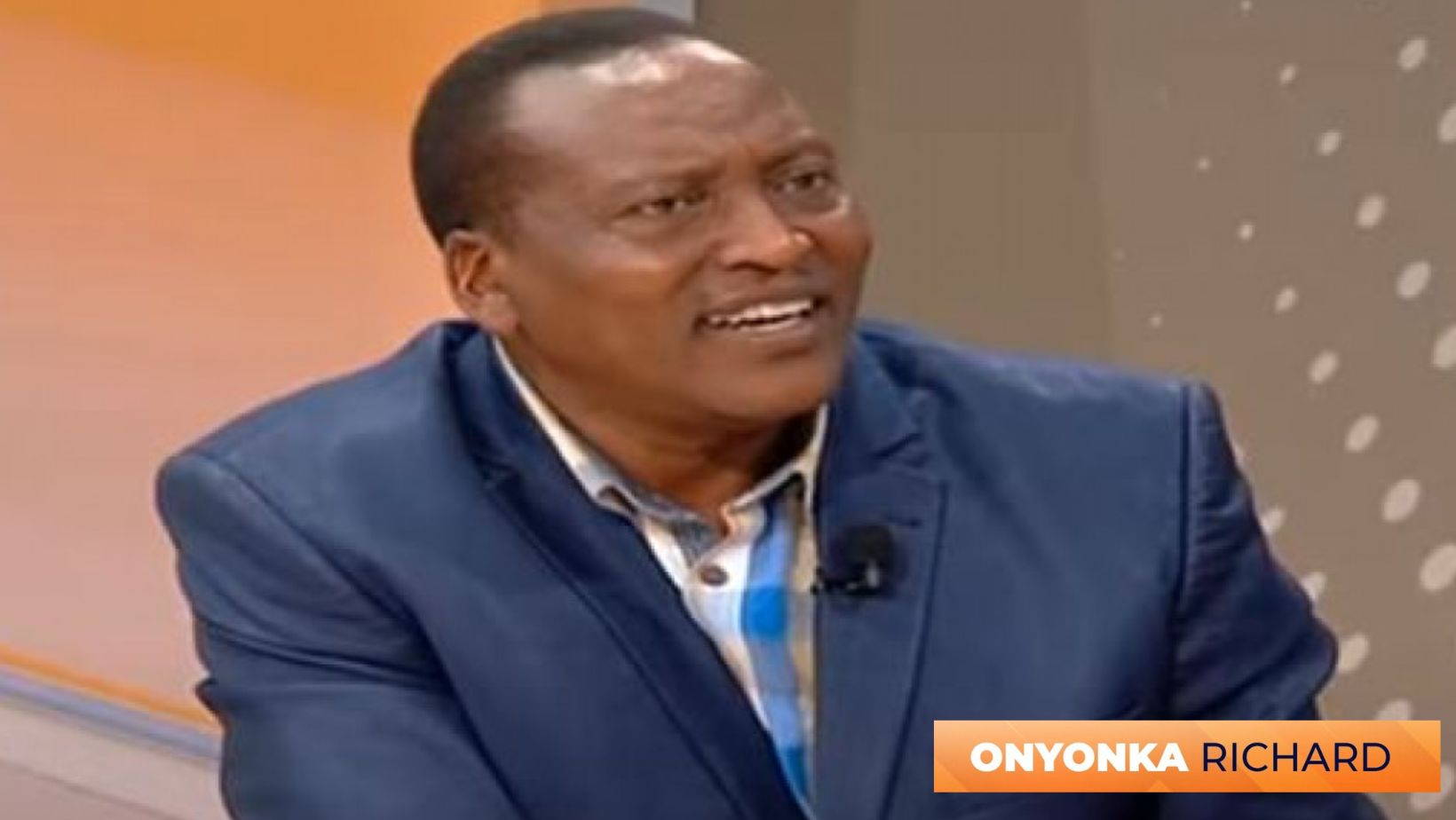
“He paid teachers, doctors, lawyers, paid everybody who would run this country. That is the budget of the Ministry of Education only. Where is the money going? The money that you people are supposed to get as capitation for you to go to school for free is being eaten by gentlemen and ladies,” Onyonka said on Citizen TV.
The Senator was part of the team discussing the new Financing Model, a bone of contention in the country.
President William Ruto’s administration has defended the funding model saying that it caters to the most needy in the country.
The education sector was among the big winners in the 2024/25 national budget after it was allocated almost 30 percent of the funds.
The sector got Sh656.6 billion of the Sh3.92 trillion fiscal estimates, translating into 27.6 percent.
Teachers Service Commission
This was an increase from the Sh544.4 billion given to the sector in the 2023/24 financial year.
Of these funds, Sh358.2 billion will go to the teachers’ employer Teachers Service Commission, Sh142.3 billion will go to the Department of Basic Education which oversees the primary and secondary schools and Sh128 billion will go to the Department of Higher Education and Research.
“Free public education is essential for Kenya, including free elementary, secondary, and university instruction. Why am I saying this? Look at the Sh633 billion we provide annually to the Ministry of Education. Using that money, President Kibaki managed this nation in both his first and second years of government.
“He paid the physicians, attorneys, teachers, and everyone else who would govern this nation. That represents the Ministry of Education’s whole budget. Where does the money end up? Gentlemen and ladies, the money you people are supposed to receive as capitation to attend school for free is being gobbled up by yourselves,” Onyonka stated on Citizen TV.
The Senator was a member of the group debating the new financing model, which has caused controversy across the nation.
The administration of President William Ruto has defended the funding scheme, claiming that it helps the nation’s most vulnerable citizens.
With over 30% of the funding allotted to it in the national budget for 2024–2025—the education sector emerged victorious.
Of the Sh3.92 trillion budgetary forecasts, the sector received Sh656.6 billion, or 27.6%.
Compared to the Sh544.4 billion provided to the industry in the 2023–2024 fiscal year, this represented an increase.
Of these, Sh142.3 billion would go to the Department of Basic Education, which is in charge of the primary and secondary schools, Sh128 billion will go to the Department of Higher Education and Research, and Sh358.2 billion will go to the Teachers Service Commission, the teachers’ employer.
ALSO READ:THE STRUCTURE OF COMPETENCY BASED CURRICULUM
Why free education at all levels is necessary in Kenya.

